


Need support? We’re here to help
Our specialists are on hand to answer any questions you have about our fire protection systems. Reach out using the form and we’ll be in touch shortly.

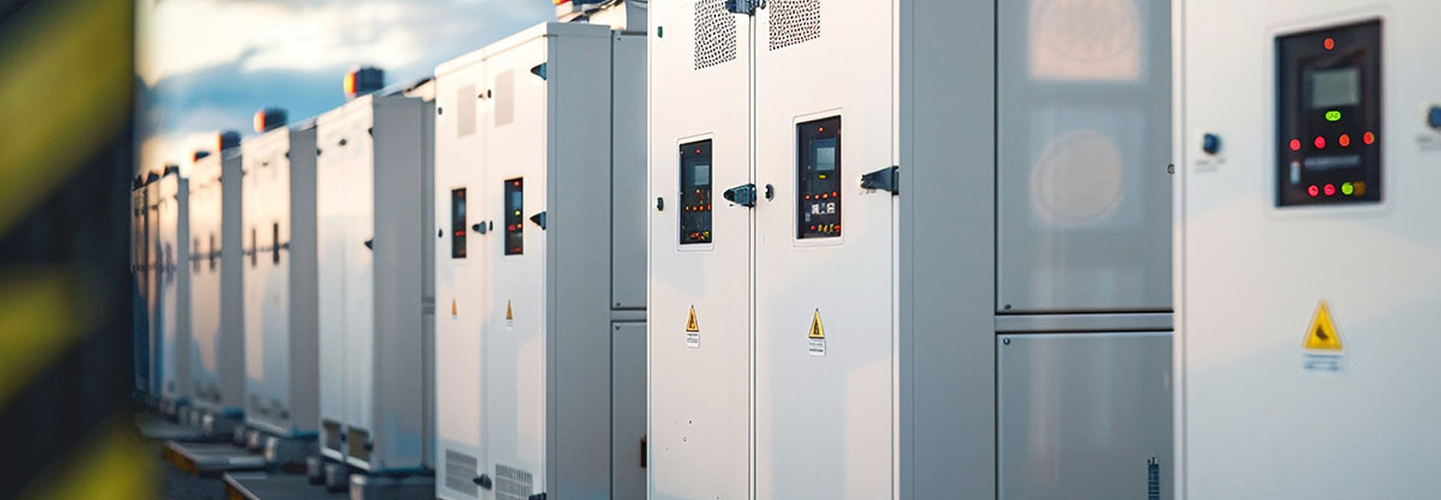
We deliver coordinated fire intelligence through one fully integrated system, bringing detection, suppression and control together under a single certified platform. With one ecosystem and one line of accountability, response is faster, clearer and far more reliable.
Our detection systems are engineered for early-stage intervention, identifying thermal and off-gas events before escalation. Integrated within the wider system, detection triggers a coordinated response rather than acting in isolation.
Detection, gas monitoring and suppression are fully integrated within one system, enabling rapid, coordinated response. PREVIDIA control panels manage this interaction in real time, ensuring suppression activates exactly when and where it’s needed.
PREVIDIA panels are designed to manage complex, multi-zone environments within a single ecosystem. You gain structured, zone-by-zone visibility across the entire site, without needing separate systems.
We integrate detection, gas monitoring and suppression within one platform, supported by Modbus, SCADA and BACnet as standard. The “Powered by Inim CloudFire” ecosystem ensures third-party technologies are verified to work together seamlessly.
CloudFire provides real-time remote monitoring, diagnostics and digital event logging across your entire system. You can see system performance, respond to alerts and maintain control without being on site.
What’s required
FireDesigner ensures systems are accurately specified and fully documented at design stage, while CloudFire maintains a continuous digital record of system activity. With LPCB, UL and EN54 approved components, compliance is built in and easy to demonstrate.













BESS fire protection refers to the systems used to detect, control and suppress fire risks within battery energy storage systems. This includes early detection of thermal events, coordinated suppression and continuous system monitoring.
Battery energy storage systems carry a higher fire risk due to thermal runaway, where heat rapidly escalates and spreads between cells. Without early detection and coordinated response, small faults can quickly develop into major incidents.
Thermal runaway is a chain reaction within a battery where rising temperatures trigger further heat generation, leading to fire or explosion. It can escalate rapidly, which is why early detection and fast suppression are essential.
BESS fire detection systems are designed to identify early warning signs such as heat build-up or off-gassing before visible fire occurs. Advanced systems trigger alerts and initiate suppression as part of a coordinated response.
A BESS fire suppression system is designed to control or extinguish fires within battery storage environments. It works alongside detection systems to respond quickly to thermal events and reduce the risk of escalation.
Because detection, gas monitoring and suppression need to work together in real time.
When systems are fragmented, delays and communication failures can occur. An integrated system ensures faster, coordinated response across all fire protection technologies.
Modern BESS fire protection systems use cloud-based platforms to provide real-time monitoring, alerts and diagnostics. This allows engineers and operators to track system performance and respond to issues without being on site.
BESS fire systems are typically designed to meet recognised fire safety standards such as LPCB, UL and EN54, alongside insurer and project-specific requirements. Compliance ensures systems are reliable, tested and fit for purpose.
Compliance is achieved through accurate system design, certified components and clear documentation.
Digital tools can support this by generating technical files at design stage and maintaining ongoing records of system performance and events.
Yes, particularly when supported by remote monitoring platforms.
These systems allow operators to monitor performance, receive alerts and maintain visibility across multiple battery storage sites from a single interface.
Explore our range of integrated fire detection, sprinkler, suppression and control systems.